
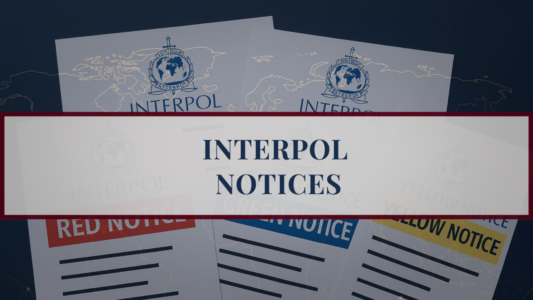
Understanding Interpol Yellow Notices: What You Need to Know
In the realm of international law enforcement, communication and cooperation between countries play a crucial role in ensuring justice is served.
One of the most significant tools at the disposal of Interpol, the International Criminal Police Organization, is the Interpol Yellow Notice.
This article delves into the concept of Yellow Notices, their purpose, significance, and the procedures surrounding them.

What Are Interpol Yellow Notices?
Interpol Yellow Notices are international requests issued to locate and identify missing persons, often minors, or to help identify persons who are unable to identify themselves.
They are specifically designed to assist law enforcement agencies and can play a vital role in various situations, including abductions or lost individuals, where timely information can be crucial.
The Purpose of Yellow Notices
The primary aim of a Yellow Notice is to aid in locating missing persons. This includes cases where children have been abducted or run away, as well as situations involving adults experiencing memory loss or other medical conditions that render them unable to identify themselves.
Yellow Notices serve to alert law enforcement across member countries to help in the search and identification process.
How Yellow Notices Are Created
The process of creating a Yellow Notice begins with a request from a member country. Law enforcement agencies within that country compile the necessary information about the individual in question.
This information typically includes physical descriptions, photographs, relevant medical details, and any other pertinent data that could assist in locating the individual.
Once this information is submitted to Interpol, it is evaluated and, if deemed appropriate, will be issued as a Yellow Notice.
Who Can Issue a Yellow Notice?
Yellow Notices can be issued by law enforcement agencies from any of Interpol’s 195 member countries.
These agencies are responsible for the gathering of information and documentation required for the notice. The discretion lies with each country to determine whether a case warrants the issuance of a Yellow Notice, based on the circumstances surrounding the disappearance or inability to identify a person.
The Impact of Yellow Notices
The impact of Yellow Notices can be profound. Since their inception, many missing persons have been located and returned to their families as a result of information disseminated through these notices.
They not only serve as a vital tool for law enforcement but also act as a beacon of hope for families desperately searching for their loved ones.
In a world where distance and borders can make the search for missing individuals challenging, Yellow Notices facilitate international cooperation.
They streamline communication between countries and ensure that vital information reaches the hands of those who can help.
The Legal Framework Surrounding Yellow Notices
Interpol operates under specific legal frameworks, including respect for human rights and the sovereignty of member countries.
Although Yellow Notices serve an important purpose, they are not arrest warrants and do not compel a country to take action beyond sharing information.
Member countries retain the discretion to act upon a Yellow Notice as they see fit, influenced by their domestic laws and regulations.
The Role of Technology in Implementing Yellow Notices
The role of technology in the creation and dissemination of Yellow Notices cannot be understated.
Digital communication systems allow for the quick sharing of vital information between countries and enable real-time updates regarding ongoing cases.
In addition, social media has emerged as a powerful tool in the modern era, allowing information related to Yellow Notices to reach the public quickly.
The combination of traditional law enforcement methods and modern technology has significantly increased the effectiveness of Yellow Notices.
Challenges in the Implementation of Yellow Notices
Despite the successes associated with Yellow Notices, challenges remain.
Every case is unique, and disparities in resources, legal frameworks, and law enforcement practices among member countries can hinder responses to Yellow Notices.
Additionally, the effectiveness of these notices often depends on the speed at which they are issued and how effectively the information is disseminated.
Conclusion
In conclusion, Interpol Yellow Notices play a crucial role in international efforts to locate and identify missing persons.
They exemplify the importance of cooperation between countries in the fight against crime and the protection of individuals, especially the most vulnerable members of society.
Understanding the intricacies of Yellow Notices highlights their significance in a world where borders cannot hinder the efforts to bring loved ones back home.