
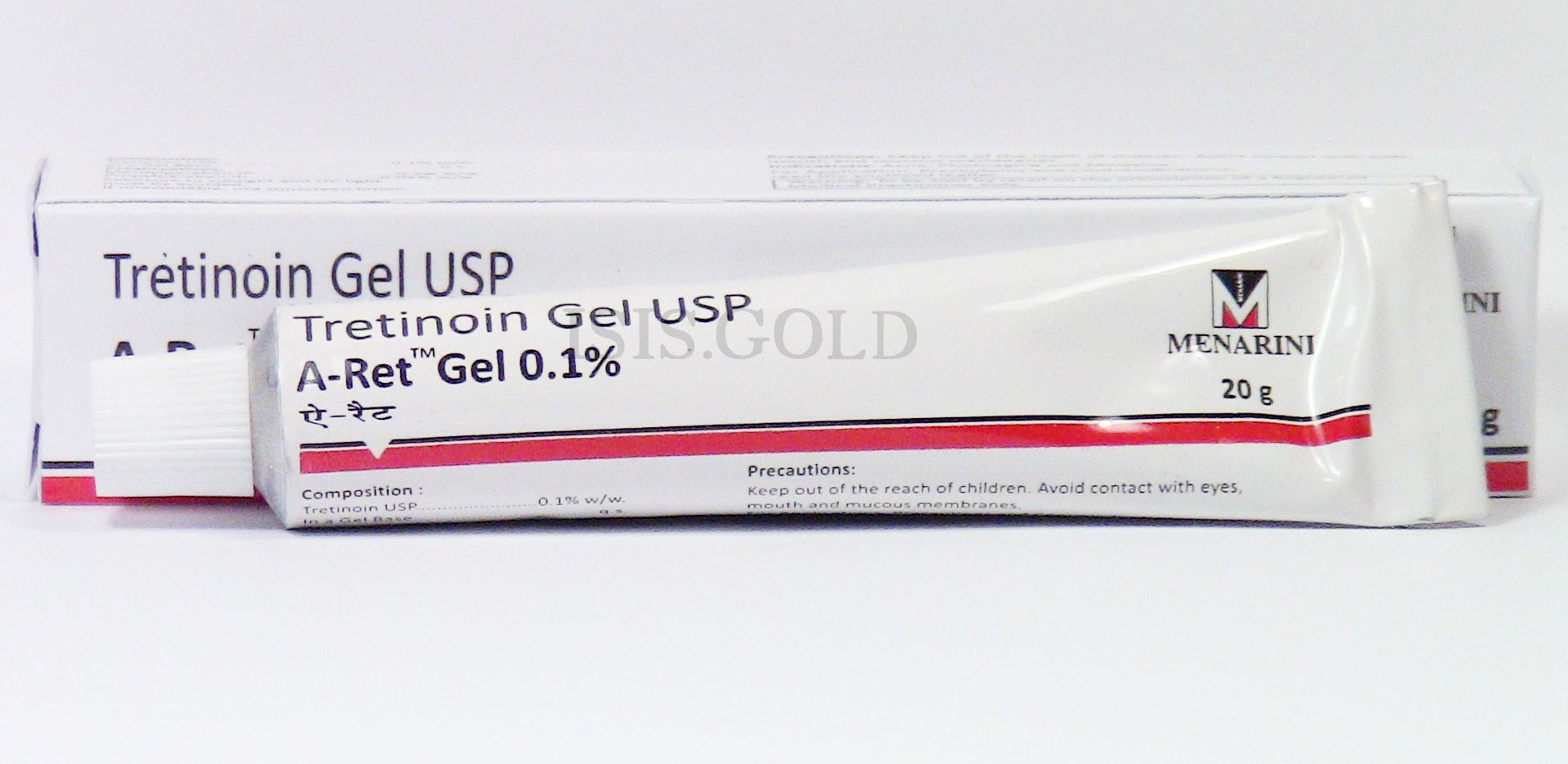
People often assume that applying a strong retinoid like Tretinoin will fix their skin overnight. They expect to wake up with smooth skin and fewer fine lines after just one week of consistent use. That’s a mistake. In reality, the first few weeks with a high-strength gel often feel like a step backward, filled with dryness, peeling, and random redness.
The process isn’t a straight line to perfect skin. It’s more of a biological negotiation. You’re essentially forcing your skin to speed up its cellular turnover. When cells move through their life cycle too fast, the surface layer can get disorganized and dehydrated. That’s why “purging” is so common.
If you’re looking for instant gratification, you’ll probably quit within ten days. The way these gels interact with the epidermis is a long-term game. You aren’t just applying a moisturizer; you’re changing how your skin functions at a cellular level.
The Biological Mechanism of Cellular Turnover
Tretinoin works by talking to the receptors in your skin cells. It tells them to speed up how fast they replicate and move toward the surface. Most people think of aging or acne as something happening “on” the skin, but it’s actually happening underneath. By accelerating that turnover, the gel pushes congestion out of pores and brings newer, healthier cells to the surface faster than your body would do on its own.
This speed is a double-edged sword. When cells move to the surface too quickly, your natural moisture barrier can struggle to keep up. This leads to “retinoid dermatitis,” which many beginners mistake for a bad reaction or an allergy. Usually, it’s just a sign that your skin’s moisture retention can’t keep up with the new speed of cell production.
The Difference Between Gel and Cream Formulations
Texture matters more than people think. A gel is typically lighter and penetrates the skin faster. This is great for oily skin types that hate a greasy feeling before bed, but that same rapid penetration is why gels often cause more immediate irritation.
A cream provides a bit of a buffer. It carries the active ingredient in a lipid-heavy base, which slows down absorption. If you have dry or sensitive skin, jumping straight into a high-strength gel is a recipe for disaster. Many users find that starting with a cream helps ease the skin into the routine without the intense peeling that comes with thinner gels.
How you apply it changes the results, too. For example, Sarah, a thirty-two-year-old software engineer with oily skin, found that applying a pea-sized amount only on her forehead and chin prevented the stinging she felt around her nose and mouth. That one small change stopped a week of flaking.
Navigating the Initial Irritation Phase
The first month is usually the “adjustment period.” During this time, your skin might look worse before it looks better. You might deal with redness, itching, or small bumps that look like acne but are actually just the skin shedding old material. This is temporary, as long as you don’t overdo the frequency.
One of the biggest mistakes is thinking “more is better.” People often assume that if a tiny amount doesn’t work, they should double the dose. This almost always ruins the skin barrier. If your skin feels tight, hot, or looks shiny in a way that feels “plastic” rather than healthy, you’re over-treating.
To avoid this, many people use the “sandwich technique.” This involves applying a layer of moisturizer, then the tretinoine gel, and then another layer of moisturizer on top. This doesn’t change the long-term results, but it helps a lot with the discomfort of the peeling phase.
- Wait for your skin to be completely dry before applying the gel.
- Use a pea-sized amount for the entire face; more is not better.
- Avoid applying the gel near the corners of the mouth or the nostrils.
- Stop use temporarily if you experience actual swelling or extreme pain.
Managing the Purge vs. a Real Reaction
Learning to distinguish between a purge and a breakout is a skill. A purge happens in areas where you already have underlying congestion. You might see small whiteheads appearing in spots where you usually get pimples. That’s normal.
A real reaction looks different. It usually involves itching, hives, or redness in areas where you never typically break out. If your eyelids or the skin around your eyes are turning bright red, that isn’t a purge; it’s a sensitivity issue that means you need to take a break.
Building a Routine That Supports Recovery
You can’t use a high-strength gel in a vacuum. The active ingredient is aggressive and needs a supportive environment. If you use a harsh, foaming cleanser alongside a retinoid, you’re attacking your skin from both ends. This is a common mistake that leads to a chronically inflamed complexion.
A successful routine is actually pretty boring. It relies on simple products that do one thing well. You need a gentle, non-stripping cleanser that leaves the skin feeling supple, not “squeaky clean.” That squeaky feeling is actually a sign you’ve stripped away the natural oils that protect your skin.
| Product Type | Purpose in a Retinoid Routine | What to Avoid |
|---|---|---|
| Cleanser | Remove dirt without stripping lipids | Sulfates and high-fragrance soaps |
| Moisturizer | Rebuild the skin barrier and hold water | Heavy oils that might clog pores |
| Sunscreen | Protect the newly sensitive skin cells | Anything that isn’t broad-spectrum |
| Serum | Targeted hydration (Hyaluronic Acid) | Other strong acids like Glycolic Acid |
The most non-negotiable part of this routine is sun protection. Tretinoin makes your skin much more sensitive to UV radiation. Because the gel brings new cells to the surface, those cells are “young” and haven’t developed their natural defenses against sun damage yet. If you use Tretinoin at night but skip sunscreen during the day, you’re essentially canceling out the benefits.
The Role of Hydration and Lipids
Hydration isn’t just about drinking water; it’s about keeping water inside your skin. When using a gel, your skin’s ability to hold onto moisture is compromised for the first few weeks. This is why ingredients like ceramides are so important. Ceramides act like the mortar between the bricks of your skin cells, holding everything together and preventing water from evaporating.
If you notice significant flaking, you might need to switch to a thicker ointment or a cream at night. This provides a physical barrier that helps the skin heal while the retinoid works underneath. It’s a balancing act between active treatment and repair.
Long-Term Maintenance and Expectations
Once you move past the initial irritation, the results become more visible. You’ll notice a change in texture first. The surface gets smoother, and the roughness that characterizes many skin types begins to fade. This is usually followed by a gradual clearing of post-inflammatory hyperpigmentation, those dark spots left behind by old acne.
Don’t expect a total transformation in a month. Skin cells take about 28 to 40 days to turn over, and since you’re working with a biological process, it takes several cycles to see the full impact on fine lines or deep congestion. Most people see the real “glow” and structural changes after three to six months of consistent, nightly use.
Some people experience “plateaus.” You might feel like your skin has stopped improving, or you might see a minor flare-up. This often happens because the skin has adapted to the current strength. Some choose to increase the frequency or concentration, while others find that their skin stays stable for years with a lower maintenance dose.
It’s worth noting that consistency is the only way this works; skipping three nights a week will make the journey take twice as long.
Many users eventually find they can use the product every other night to maintain results without the constant threat of dryness. That’s a sign of a healthy, adapted skin barrier. The goal isn’t to endure constant irritation, but to find the highest level of effectiveness your skin can tolerate without becoming inflamed.
One common concern is whether the skin will become “addicted” to the gel or if it will stop working once the skin adjusts. The skin doesn’t become addicted to Tretinoin, but it does adapt. Once your skin reaches a new equilibrium, you won’t necessarily see the same rapid changes you saw in the first month, because the skin is no longer “correcting” a deficiency; it’s just maintaining its new, more efficient turnover rate.