
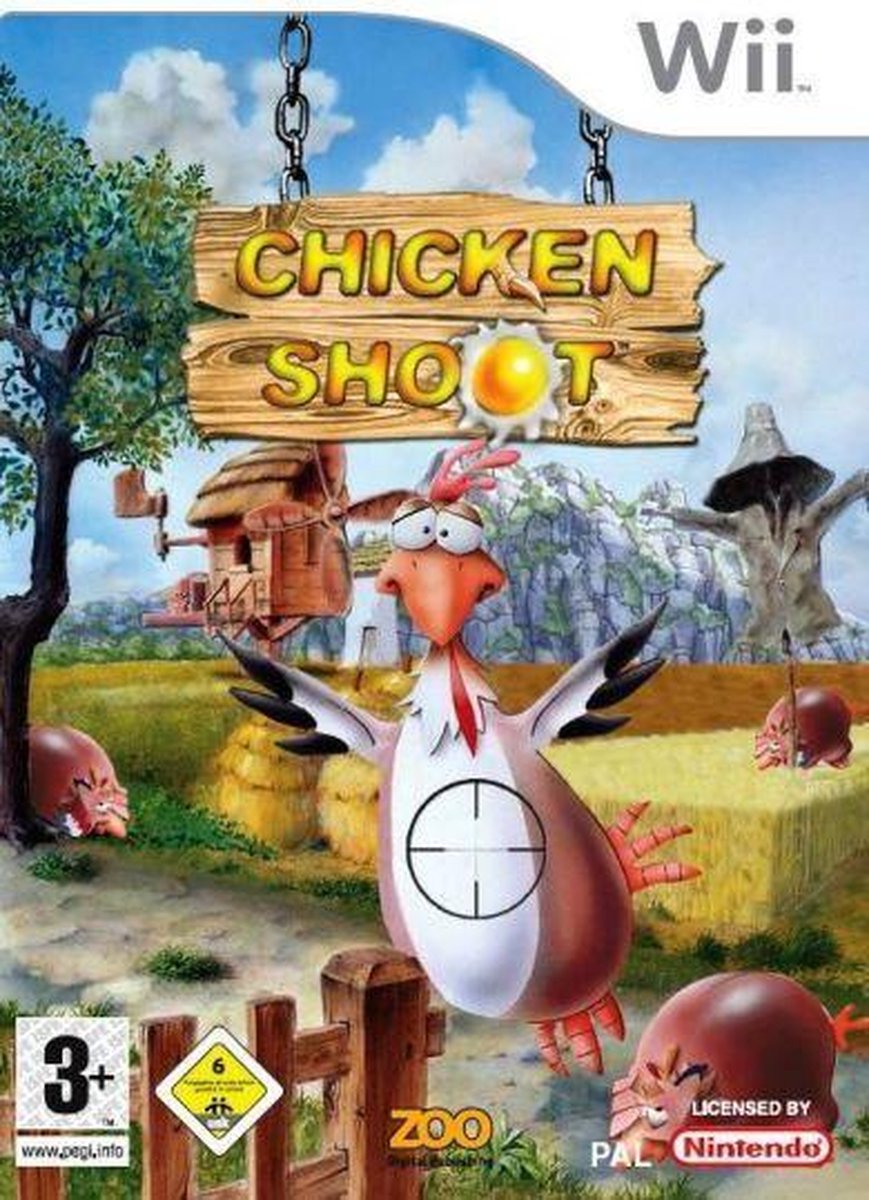
Estate building used to be about houses, money, and heirlooms https://chickensshoot.com/. Currently, for a generation of gamers, it encompasses something else: the digital worlds they’ve invested in. Take a game like Chicken Shoot. The achievements unlocked, the unique items bought, the high scores set—they may not be physical, but they count. They symbolize hours of skill and memory. This article examines how UK estate planning is starting to catch up with this idea. We’ll use Chicken Shoot as an case study to talk about how you can ensure your gaming legacy is handled with care, making digital assets a real part of your final plans.
The Role of Legal Representatives and E-Wills
Selecting the right executor can greatly impact things. Choose someone you trust who also understands the basics of online accounts. This person will execute your wishes for your digital assets. A solicitor can assist by adding a “digital will” or a codicil to your main will. This grants your executor the legal authority to deal with your online presence, even if it technically contravenes a platform’s terms of service. They would be functioning under their legal duty to resolve your estate. The document should spell out what they have permission to do: access, archive, or close specific accounts. Having this framework in place helps avoid your accounts from being deleted by a company after a period of inactivity, vanished without a trace.
More Than Possessions: Preserving Memory and Heritage
Sometimes the significance isn’t in a digital item, but in the tale it tells. That top score in Chicken Shoot, that almost unattainable achievement, your unique player profile—they’re parts of your story. Your estate plan can aid preserve that memory. Provide instructions for your family. Request them to keep collections of your top screenshots, amusing gameplay clips, or your proudest social media posts about gaming. Some platforms will memorialize a page. The legislation concerns itself with what can be passed on, but your own preferences can preserve the sentimental aspect of your pastime. It’s a method to make sure your whole identity, with your passions, is remembered.
Emerging Directions in Digital Inheritance
As our lives transition more to the internet, the law has to follow. In the UK, reforms are coming that should establish clearer rules for digital property and spell out what rights executors have. We might see recognized “digital executor” functions, or mechanisms to appoint a legacy contact. Blockchain technology could even enable provable ownership and transfer of some digital items. For a game like Chicken Shoot, this could mean your nephew might one day actually obtain your rare in-game items. Getting this right will take work from both sides: individuals need to record their preferences today, and lawmakers need to create structures that treat a digital legacy with the same respect as a box of old photos and letters.

The Legal Landscape for Digital Estates
What is UK law stand on all this? It’s playing catch-up. There’s no specific law so far for bequeathing digital game accounts. The Law Commission of England and Wales has proposed forming a new class of personal property for some digital assets, that would help. For now, what happens to your Chicken Shoot profile depends almost entirely on the policies of the service it is on. The big companies—Steam, Xbox, PlayStation—usually prohibit account transfers outright. If they get a death certificate, their usual step is to shut the account down. Everything inside it is lost. This is the reason you can’t ignore the issue. You require a plan, and you should talk to a legal advisor about your digital life before it becomes too late.
Grasping Digital Holdings in Gaming
So what qualifies as a digital asset in a title like Chicken Shoot? It is whatever you’ve earned or bought in the game. The game itself if you downloaded it, any extra downloadable content (DLC), exclusive characters or weapons, your hoard of in-game gold, and these hard-won achievement badges. You invest time or money into obtaining these things. They have value to you. From a legal standpoint, it’s a different situation. You do not possess them like a book on a shelf. You authorize them through those long agreements you click ‘agree’ to without reading. These End User License Agreements (EULAs) hardly ever let you give your account to someone else. For executors handling an estate, this is a problem. The standard terms of service can shut them out completely, abandoning a gamer’s virtual trophies in limbo.
Steps to Incorporate Your Gaming Legacy
Begin by creating a list. Record every digital gaming asset you have. List your usernames on Steam, PlayStation Network, or Xbox Live. Enumerate the games that are important to you, like Chicken Shoot. Incorporate the email addresses associated to these accounts. Store this inventory somewhere protected, like with your solicitor, and mention it in your will or a separate letter of wishes. You may not be able to bequeath the account itself, but you can leave clear instructions. Advise your executors if you’d like them to submit a memorial, or to save your game data and screenshots. One critical warning: never include your passwords in your will. Wills become public record. Use a secure password manager with a legacy access feature instead, and explain how to reach it in your private instructions.
Platform Policies and User Agreements
You have to be practical, and that means reading the fine print. Valve’s Steam, Microsoft’s Xbox, and Sony’s PlayStation Network all have those non-assignable clauses in their terms of service. They contend it’s for protection and to combat fraud, but the result is the identical: you are unable to will your account to your acquaintance. Some could let a authorized family member disable an account or receive a duplicate of the data, but that’s it. They refuse to let someone else log in and play. If you’re a Chicken Shoot fan, review the terms for your system. It establishes the limits for what’s feasible. Lawful changes might push companies to introduce better “digital inheritance” options down the line. Currently, your approach should center on giving your representatives the data they require to at least finalize things properly or ask for your data.
Frequently Asked Questions
Is it legal to bequeath my Chicken Shoot game account to a beneficiary in my will?
Probably not. You most likely have a license to use the account, not hold it. The platform’s Terms of Service almost always ban transfers. Your will can include your account and leave instructions, but the company could still close it when they find out about your death.
What is the most important step to take for my gaming legacy?
Write it all down. Make a secure, up-to-date list of every digital asset: usernames, platforms, and key games. Keep this list with your important papers, reference it in your will, and confirm your executor knows it is there and what you wish done.
Is it advisable to put my game passwords in my will?
No. Do not this. A will is not private after probate. Utilize a trusted password manager with a legacy access feature. Supply the instructions for accessing that manager to your executor in confidence, through your solicitor.
What can an executor practically do with my gaming account?
They can follow your instructions. They may contact the platform to request account closure or demand a download of your data, like your purchase history or saved files. They may be able to memorialise a linked social profile. What they typically can’t do is permit someone else assume control of the account and continue playing.
Do digital assets like in-game purchases considered as part of my estate’s value?
For inheritance tax, not at all. Their resale value is generally nil because the licenses aren’t transferable. But they continue to be part of your digital estate. Your executors ought to be aware of them to handle them as you wanted, even if they do not add to the estate’s financial total.
To what extent are UK laws changing regarding digital inheritance?
The Law Commission has suggested making digital assets a new type of property. This would give executors clearer rights to retrieve and manage them. However, this is not yet law. Right now, planning depends on platform rules and your own clear instructions.
What if my family lacks technical knowledge?
Pick an executor or helper who gets it. In your instructions, simplify the process into easy, clear steps. Detail why certain things, like saving your screenshot collection, matter to you. Your solicitor can also guide them on the legal steps.