
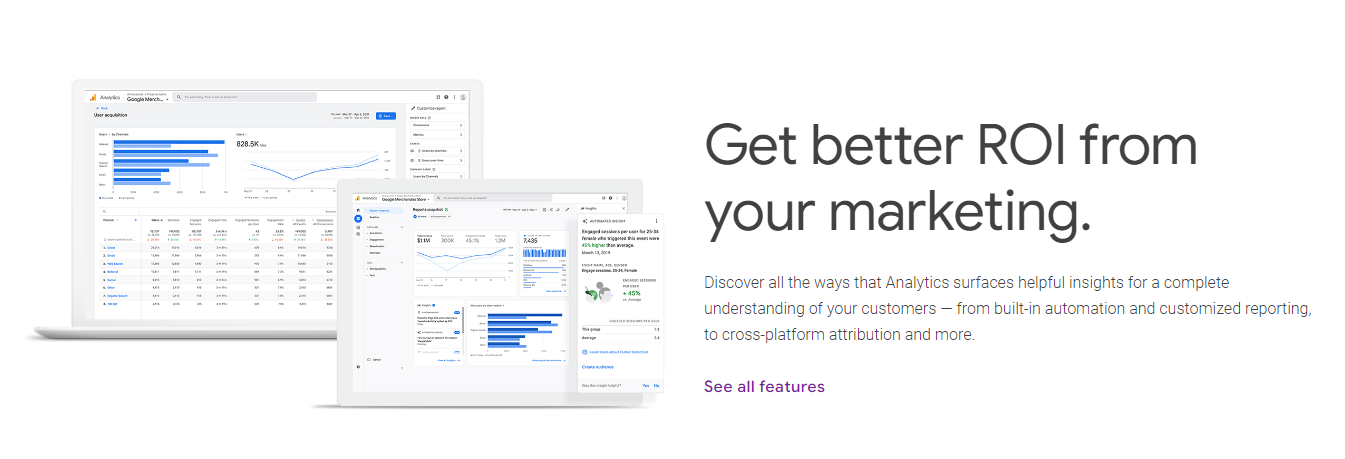
In the ever-evolving landscape of digital marketing, one thing remains constant: the importance of data-driven decisions. Web analytics tools have become indispensable for businesses seeking to optimize their online strategies. Whether you’re a small startup or a large enterprise, utilizing web analytics tools can significantly impact your success. This article explores the various types of web analytics tools available, their features, and how they can benefit your organization.
Understanding Web Analytics Tools
Web analytics tools are designed to collect, analyze, and report on data related to web traffic and user behavior. This data helps businesses understand how visitors interact with their websites, which pages are the most popular, how long users stay on the site, and where they drop off. The insights gained from these tools are crucial for improving user experience, driving conversions, and maximizing return on investment (ROI).
Categories of Web Analytics Tools
Web analytics tools can be broadly categorized into three types: descriptive analytics, predictive analytics, and prescriptive analytics.
1. Descriptive Analytics
Descriptive analytics tools help businesses understand what has happened in the past. These tools gather data on user behaviors and engagement metrics. Google Analytics is a prime example of a descriptive analytics tool that provides data on page views, unique visitors, bounce rates, and user demographics. This type of analysis is essential for creating reports that inform business strategy.
2. Predictive Analytics
Predictive analytics tools take data from descriptive analytics and use machine learning algorithms to forecast future trends. These tools analyze historical data to predict user behavior and trends, enabling businesses to make proactive decisions. For instance, tools like Kissmetrics and Piwik PRO provide valuable insights into user behavior predictions based on past actions.
3. Prescriptive Analytics
Prescriptive analytics tools go a step further by recommending actions based on data analysis. These tools analyze data from various sources and provide actionable strategies to optimize marketing efforts. Applications like Optimizely and Crazy Egg offer insights on A/B testing and user experience optimization, guiding businesses on the best course of action.
Key Features to Consider
When choosing web analytics tools, several key features can enhance their effectiveness:
- Real-time Data Tracking: The ability to monitor user activity in real time is crucial for timely decision-making.
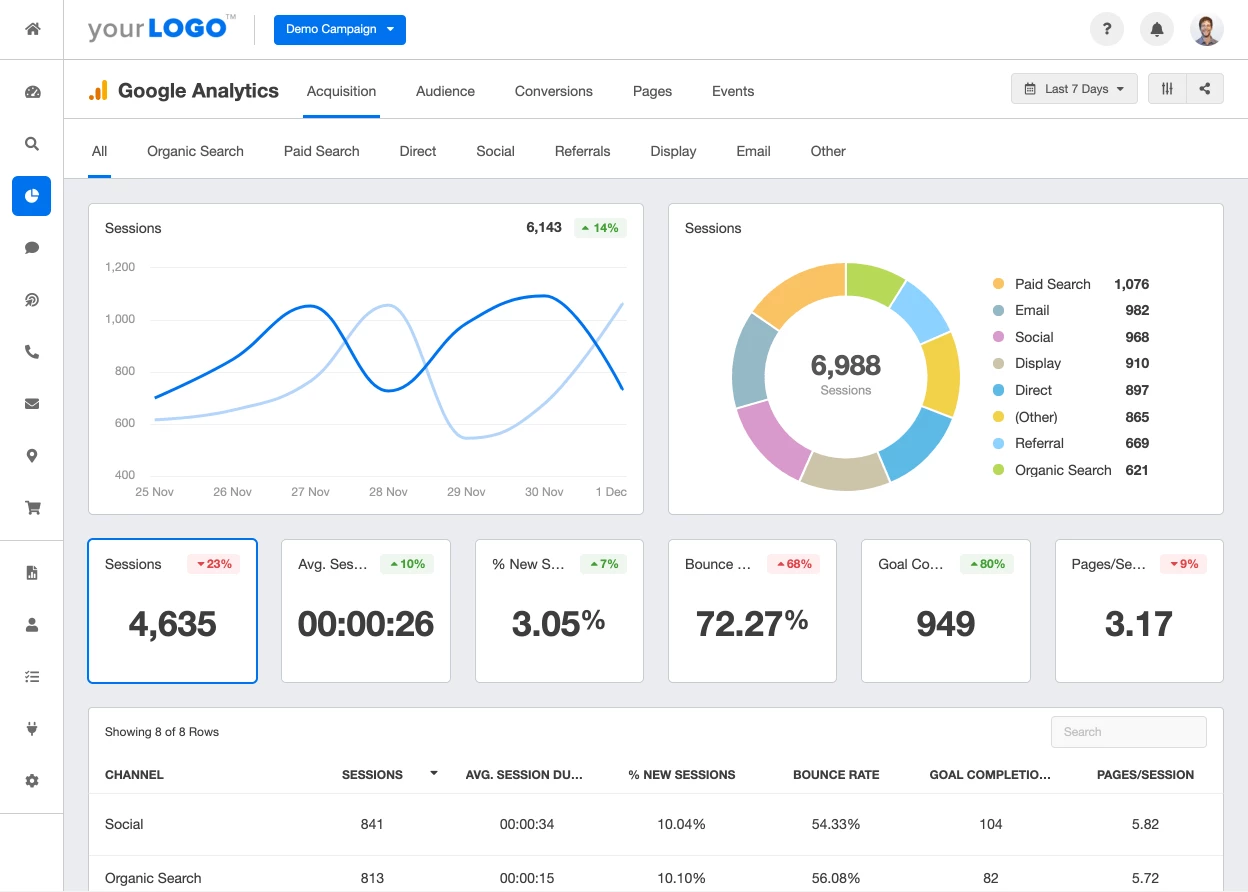
- Customizable Dashboards: Tailoring dashboards to specific metrics helps businesses focus on their key performance indicators (KPIs).
- Integration Capabilities: The ability to integrate with other marketing tools and customer relationship management (CRM) systems can provide a more holistic view of customer interactions.
- Data Segmentation: The capacity to segment data based on various criteria, such as user demographics or behavior, allows for more targeted insights.
- Visualization Tools: Graphs, charts, and heatmaps make it easier to understand complex data at a glance.
Popular Web Analytics Tools
Several web analytics tools stand out in the market due to their features, user-friendliness, and effectiveness. Some of these include:
1. Google Analytics
As the most widely used web analytics tool, Google Analytics offers a comprehensive suite of features for tracking and reporting web traffic. It provides insights into visitor demographics, behavior, and conversion tracking, making it an essential tool for businesses of all sizes.
2. Adobe Analytics
Adobe Analytics is a powerful tool catering to larger enterprises. It offers advanced analytics capabilities and is particularly strong in predictive analytics, helping businesses understand future trends based on historical data.
3. Matomo
Matomo is known for its focus on user privacy and data ownership. It provides a range of features that can be customized depending on business needs. Matomo can be installed on your own server, providing complete control over data.
4. Hotjar
Hotjar is primarily focused on user experience and behavior analytics. It provides heatmaps, session recordings, and feedback tools to help businesses understand how users interact with their sites.
5. Mixpanel
Mixpanel specializes in event-based analytics, allowing businesses to track user interactions in real time. This tool is particularly effective for SaaS companies looking to improve user engagement and retention.
Leveraging Data for Business Growth
Using web analytics tools effectively can help businesses achieve their goals. By identifying trends, understanding user behavior, and optimizing marketing strategies, organizations can improve their online presence and drive growth.
1. Informed Decision-Making
With the insights gained from web analytics, businesses can make informed decisions. Whether it’s tweaking a marketing campaign or redesigning a website, data-driven approaches lead to better outcomes.
2. Enhanced User Experience
Understanding how users interact with your website can highlight areas for improvement. Web analytics tools can guide businesses in enhancing user experience, leading to higher satisfaction and retention rates.
3. Better Marketing ROI
By tracking the effectiveness of marketing campaigns, organizations can allocate resources more efficiently and increase their return on investment. Web analytics enables continuous optimization of marketing efforts.
Conclusion
In summary, web analytics tools are essential for any business seeking to navigate the complexities of digital marketing. By understanding and implementing these tools, companies can gain valuable insights that drive growth, enhance customer experience, and ultimately lead to greater business success. As the digital landscape continues to evolve, the ability to adapt and utilize data effectively will be a defining factor for success. Embrace web analytics, and take your business to new heights.