
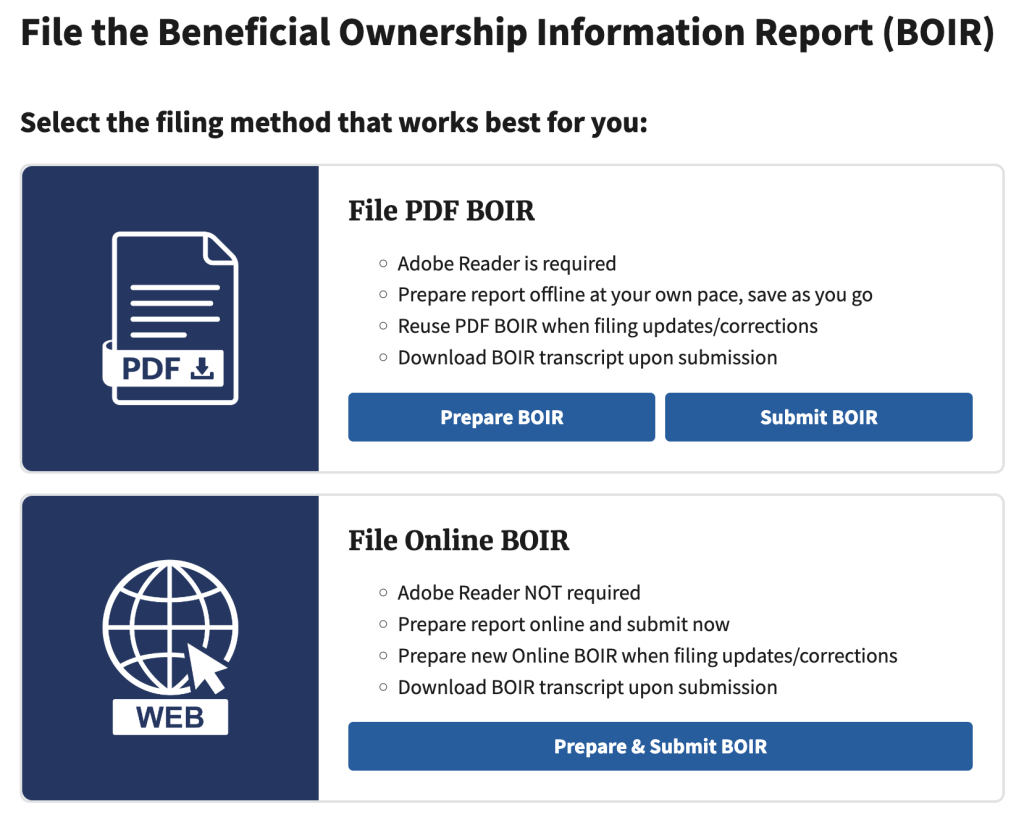
Understanding BOI Reporting: A Complete Guide
Business owners and organizations often encounter complexities in reporting that can lead to confusion and errors. One critical aspect that requires attention is the Business Ownership Information (BOI) reporting. Ensuring compliance with BOI requirements is vital, and organizations may seek help with BOI reporting to navigate this process. This article provides a detailed overview of BOI reporting, the importance of compliance, and how to get the necessary assistance.
What is BOI Reporting?
Business Ownership Information (BOI) reporting is a regulatory requirement aimed at promoting transparency in business ownership. It ensures that relevant authorities have access to accurate information about the individuals who ultimately own or control a business entity. This is increasingly important in the context of combating money laundering, tax evasion, and other financial crimes.
Why is BOI Reporting Important?
Governments across the globe are intensifying their focus on transparency in business ownership. Some key reasons why BOI reporting is essential include:

- Legal Compliance: Failure to comply with BOI reporting requirements can result in significant penalties and legal consequences for businesses.
- Enhancing Trust: Open disclosure of ownership structures fosters trust among consumers, investors, and regulators.
- Preventing Financial Crime: BOI helps authorities track suspicious activities linked to money laundering and fraud.
- Facilitating Business Transactions: Clear ownership structures can ease negotiations and investments as potential partners or investors can conduct thorough due diligence.
Who Needs to Report BOI?
Typically, businesses that must report their BOI include:
- Corporations
- Limited liability companies (LLCs)
- Partnerships
- Trusts
- Any other entities required by local legislation
How to Prepare for BOI Reporting
When preparing your BOI report, it’s crucial to gather accurate and complete information. Here are some steps to follow:
- Identify Beneficial Owners: Determine who the individuals are that own or control the business. This includes shareholders, directors, and anyone with significant control.
- Collect Necessary Information: Typically required information includes names, dates of birth, addresses, and identification numbers of beneficial owners.
- Document Ownership Structure: Create a clear diagram that illustrates the ownership structure of the entity.
- Keep Records Updated: Make it a practice to regularly update the reported information whenever there are changes in ownership or control.
Common Challenges in BOI Reporting
Businesses often face several challenges when it comes to BOI reporting:
- Complex Ownership Structures: Organizations with complicated ownership structures can find it difficult to pinpoint all beneficial owners.
- Legal Language and Requirements: The language used in legal documents can be confusing, making it hard to comply without expert assistance.
- Changing Regulations: BOI requirements may change, requiring businesses to stay updated to maintain compliance.
Getting Help with BOI Reporting
For many businesses, the best course of action in ensuring compliance with BOI reporting is to seek the help of professionals. Here are some options:
- Consulting Firms: Hiring a consulting firm specializing in regulatory compliance can provide expert guidance on BOI reporting.
- Legal Advisors: Engaging a legal team to review your ownership structure and assist with documentation can help ensure compliance.
- Software Solutions: Consider using specialized software to track ownership information, which may also simplify the reporting process.
Conclusion
In a world where business transparency is increasingly prioritized, understanding and complying with BOI reporting requirements is paramount. The implications of non-compliance can be dire, making it essential for businesses to not only understand these requirements but also to seek external help when necessary. By preparing adequately and, if needed, getting professional assistance, organizations can ensure they meet their BOI reporting obligations effectively and efficiently.