
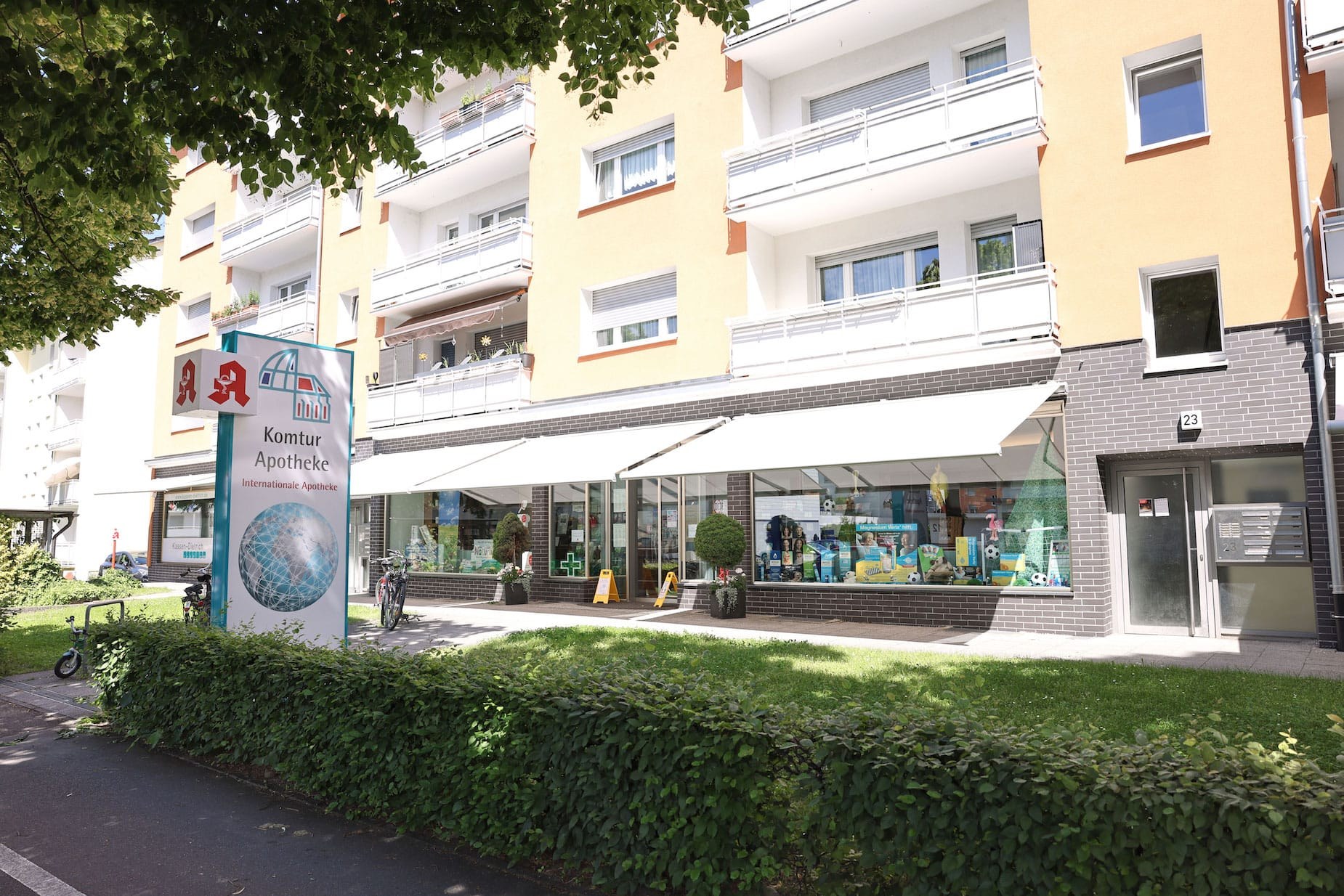
Sixty minutes. That’s usually how long you spend idling in a parking garage or waiting in a long line when you realize your prescription is empty and the local pharmacy has already closed for the weekend.
Freiburg isn’t a sprawling metropolis where you can find a 24-hour pharmacy on every corner. It’s a dense, highly organized, and occasionally frustrating city where medical services follow very strict German rules. If you expect the convenience of a supermarket, you’re going to have a bad time. If you expect precision, you’ll get it.
The layout of the city changes everything. In the Altstadt, you’re dealing with narrow alleys and uneven cobblestones. You might spot a pharmacist through a window, but getting to them involves a bit of a trek. As you move toward the outskirts or the university districts, the vibe shifts. The pharmacies change, too.
The local pharmacy network operates differently depending on where you are. Some shops focus on high-volume, quick-turnover prescriptions. Others are essentially clinics inside a storefront. You need to know which one you’re walking into before you even open the door.
Navigating the Local Pharmacy Map
Most people think of a pharmacy as just a place to grab bandages. In Freiburg, the distinction between a basic shop and a specialized medical center is sharp. There are the neighborhood apotheken that serve residential areas around Vauban or Stühlingen. These are your reliable, everyday stops. They know the regulars and they know how local doctors prescribe.
Then there are the specialists. If you need something specific, biologicals, rare dermatological creams, or complex hormone treatments, don’t go to the shop next to the bakery. You go to a specialized center. These places tend to have more staff and much more training in handling temperature-sensitive meds. They’re less about convenience and more about technical expertise.
The university has a massive influence here. Because of the medical faculty, many pharmacies are geared toward high-level research and complex prescriptions. You might hear pharmacists discussing chemical interactions that most people have never heard of. It makes the service feel more clinical than retail.
But specialization comes with a trade-off. The “high-end” pharmacies might have longer wait times because they’re busy compounding medications from scratch. If you walk in with a simple headache, you might be waiting behind someone getting a custom-mixed liquid medication. You’ll need patience.
Finding the right place takes a bit of luck or a bit of local knowledge. For those who prefer a more holistic or community-focused approach, https://apothekeanderdiakonie.de/ provides a different level of service that prioritizes direct patient interaction over sheer volume. It’s a different way of doing business in a city that can sometimes feel quite mechanical.
It’s about finding the right fit. You can’t treat every pharmacy like a vending machine. They’re professional medical environments, and the approach changes based on the shop’s focus and where it sits within the city.
The Logistics of After-Hours Access
Freiburg follows the standard German system for emergency services, which is actually quite efficient if you know how to use it. Most pharmacies close by 6:30 PM or 7:00 PM. If you have an emergency at 11:00 PM on a Tuesday, you aren’t just out of luck; you’re looking for the “Notdienst” (emergency service) pharmacy.
The system isn’t a secret, but it is a hassle. There’s usually a sign posted on the door of every closed pharmacy telling you exactly where the nearest open one is. These emergency pharmacies rotate duties. One night it might be a shop near the main station; the next, it might be somewhere halfway across town.
The cost is the real kicker. The medicine itself costs the same, but you’ll often see a small surcharge on your receipt for the convenience of after-hours service. It’s a standard fee, but it catches people off guard. You’re paying for the pharmacist’s time spent working through the night.
- Check the sign on the door of any closed pharmacy.
- Look for the official emergency schedule posted in the windows of larger shops.
- Use the online emergency lists provided by the regional pharmacy association.
- Always keep your insurance card (eGK) ready, even at night.
Don’t expect a quick chat, either. The emergency pharmacist is there to do one thing: get you your life-saving or pain-relieving medication and get you home. They aren’t there to discuss your long-term wellness plan or suggest new vitamins. It’s a transactional, high-speed environment during those late-night shifts.
It works. It’s effective. It’s just not particularly pleasant if you’re the one standing in the rain at midnight searching for that one sign.
Price Disparities and Insurance Realities
Price is always a topic in any pharmacy, but in Freiburg, it’s a bit more nuanced because of how the German system splits between public and private insurance. If you’re on public insurance, you know the drill. You pay your co-payment, you take your medicine, and you’re done. The pharmacist handles the heavy lifting with the insurance company behind the scenes.
Private insurance is a different beast. You pay for everything upfront, and then you fight with your provider for reimbursement later. This can lead to a massive gap in your bank account for a month while you wait for them to decide if they’ll cover your specific brand of medication. This is where the blunt reality of the pharmacy comes in: you’re essentially acting as your own billing department.
Then there are the non-prescription items. This is where the real money is made. You walk in for an antibiotic and walk out with a €25 bottle of specialized vitamins because the pharmacist suggested they might help your recovery. It’s not always a sales pitch; often, it’s actually sound medical advice. But it’s still an expense you didn’t plan for.
I recommend keeping a list of what you actually need. The temptation to buy “wellness” products in a German pharmacy is high. The shelves are organized and the products are often high-quality, which makes it harder to say no. It’s a beautiful, expensive trap.
| Service Type | Public Insurance (GKV) | Private Insurance (PKV) |
|---|---|---|
| Prescription Cost | Fixed co-payment (usually low) | Full price paid upfront |
| Reimbursement | Handled at the counter | Manual claim required |
| Consultation | Standardized | Often more detailed/lengthy |
Understanding this distinction will save you a lot of frustration. If you’re a student or an expat, make sure you know exactly which category you fall into before you hand over your card. It makes the transaction much smoother.
The Shift Toward Digital Consultation
The era of the handwritten, illegible doctor’s note is dying. We’re seeing the rise of the E-Rezept (electronic prescription) across the entire city. This has changed the way pharmacies operate. Instead of carrying a piece of paper that might get lost or smudged, your doctor uploads the data directly to a central server. You just show your insurance card, and the pharmacist pulls it up.
This is objectively better, but it has created a new kind of friction. If the server is slow, or if your doctor’s office didn’t sync properly, you’re stuck. You can’t just ask the pharmacist to “just look at the paper,” because there is no paper. It creates a reliance on digital infrastructure that can feel fragile when you’re feeling unwell.
This digital shift also affects how we get advice. Many pharmacies in Freiburg are now offering “Tele-pharmacy” elements or much more robust digital communication. You can send in your prescriptions via an app, wait for an alert that they’re ready, and then just walk in and pick them up. It removes the “standing in line” problem, which is a massive win for anyone with a busy schedule.
But this tech-heavy approach can feel cold. There’s a specific type of service you get from a pharmacist who has known your family for ten years and knows that a certain brand of cough syrup works better for your specific throat irritation. You can’t download that kind of institutional knowledge. It’s a trade-off between efficiency and the human element.
The city is moving toward a high-tech model. It’s cleaner, faster, and much more integrated. For most people, this is the preferred way to live. But for those who value the old-school, face-to-face consultation, the shift feels like a loss of community. It’s a slow change, but it’s happening.
Technology wins. But don’t expect it to replace the need for a good, old-fashioned chat when you’re genuinely worried about a diagnosis.