
Choosing an online casino involves more than comparing games and promotions. Canadian players also need to consider how a site handles personal information, protects account access, and explains its privacy practices. An ideal casino makes those details easy to find and understand, rather than leaving players to guess what happens to their data.
This review looks at the features that matter when evaluating casino privacy and account safety. It does not endorse a specific operator: rules, payment options, and licensing arrangements vary across Canada, so players should verify the details for their province and the casino they intend to use.
What a privacy-conscious casino should offer
A trustworthy casino should explain what information it collects and why. Common examples include contact details for registration, identity documents for age and identity checks, and transaction records for payment processing and regulatory obligations. The privacy policy should also describe how long information is kept, whether it is shared with service providers, and how players can contact the operator about their data.
Look for a clear distinction between information needed to operate an account and optional marketing preferences. Players should be able to understand how to unsubscribe from promotional messages without losing access to essential account notices. If the privacy policy is vague, difficult to locate, or inconsistent with the registration process, consider choosing another site.
- Readable policies: The privacy notice should use plain language and identify the operator responsible for the service.
- Purpose limitation: The casino should explain why it requests each category of personal information.
- Data controls: Look for instructions on updating account details, changing communication preferences, or submitting a privacy request.
- Secure access: Account pages and payment flows should use encrypted connections.
- Responsible verification: Identity checks should be explained and carried out through a secure process.
Account security and safer sign-in
The importance of SSL security for casino account safety is a useful starting point, but it is only one part of a broader security picture. SSL/TLS encryption helps protect information as it travels between a player’s device and the casino’s website. Players can check for a secure connection in the browser, but an encrypted connection alone does not prove that an operator is licensed, reputable, or careful with stored data.
Good account protection also depends on the casino’s internal safeguards and the player’s own habits. Use a unique password that is not shared with email, banking, or other gaming accounts. If the casino offers multi-factor authentication, consider enabling it. Never share a one-time code with someone claiming to be support, and avoid signing in through links in unexpected messages.
When using a shared device, do not save your password in the browser. Sign out when finished and keep the device’s operating system and browser updated. On public Wi-Fi, avoid accessing payment settings if you cannot confirm the network is trustworthy. A password manager can help create and store a strong, unique password.
How to choose an online casino
Before registering, assess the operator rather than relying on a bonus headline or a polished homepage. Check who runs the casino, which regulator oversees it, and whether the licence information can be verified through an official source. Canadian availability and legal arrangements can differ by province, so check the relevant provincial guidance and the terms that apply to your location.
- Confirm the operator. Find the company name and contact details in the site’s footer, terms, or privacy policy.
- Check licensing claims. Follow the regulator’s own verification process where available; do not treat a logo by itself as proof.
- Read privacy and security information. Look for clear explanations of data use, retention, sharing, and account protection.
- Review payments. Confirm which payment methods are available to Canadian players, what information they require, and whether fees or processing limits apply.
- Test support. Ask a straightforward question about account security or privacy and assess whether the answer is specific and consistent with the published policy.
- Set limits before playing. Use deposit, loss, or session controls where available, and decide in advance how much time and money you can afford to spend.
Promotions deserve a separate check. Read the wagering requirements, expiry dates, game restrictions, and withdrawal conditions before accepting an offer. A casino that presents these terms clearly makes it easier to make an informed choice. Do not submit extra documents through an unofficial email address or chat account; use the secure account area or a contact method published on the operator’s own website.
Payments, identity checks, and personal information
Canadian players may encounter identity verification before a first withdrawal, after a change in account details, or when required by the operator’s compliance procedures. These checks can be legitimate, but the casino should explain what documents are requested and how to submit them safely. Be cautious if a representative asks for passwords, payment card PINs, or security codes; these should not be needed to verify identity.
Use a payment method in your own name and review the casino’s payment terms before depositing. Confirm minimum and maximum transaction amounts, processing times, currency handling, and any fees. Keep receipts and account notifications so you can compare them with your bank or payment provider’s records. If a transaction appears unfamiliar, contact the payment provider and the casino through verified channels.
Players should also be careful about the information they disclose in public. Avoid posting screenshots that show account IDs, balances, transaction references, or personal details. If you contact support on social media, move sensitive account questions to a secure channel and verify that the account is genuinely operated by the casino.
Privacy checklist for Canadian players
| Area | What to check | Why it matters |
|---|---|---|
| Operator details | Company name, contact information, and verifiable licensing claims | Helps identify who is responsible for the service |
| Privacy policy | Data collected, purposes, sharing, retention, and request process | Shows how personal information may be handled |
| Connection security | HTTPS and a valid browser security indicator | Helps protect data while it is being transmitted |
| Account controls | Unique passwords, optional multi-factor authentication, and login alerts | Reduces the risk of unauthorized access |
| Payments | Clear processing terms and secure submission of verification documents | Supports safer deposits, withdrawals, and identity checks |
Questions Canadian players often ask
Does HTTPS mean an online casino is safe?
No. HTTPS indicates that the connection is encrypted, which helps protect data in transit. It does not independently confirm the operator’s licence, business practices, fairness, or protection of stored information. Check those issues separately.
Why does a casino ask for identity documents?
Operators may request documents to confirm identity, age, account ownership, or payment details, and to meet applicable compliance requirements. The casino should explain the reason and provide a secure submission method. If the request seems unusual, contact support using details found on the official site before sending anything.
What should I do if I suspect someone accessed my account?
Change the password from a trusted device, secure the email account connected to the casino, and sign out of other sessions if that option is available. Contact the operator through its verified support channel, review account activity and payment records, and follow any instructions from your bank or payment provider. Do not send a password or authentication code to support.
Can I ask a casino to delete my information?
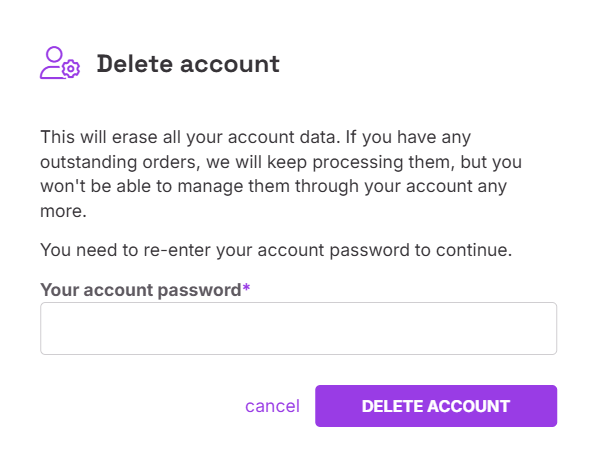
You can contact the operator and ask what privacy rights and account options are available. Deletion may be limited where the operator must retain particular records under applicable rules or for legitimate account administration. The privacy policy should explain how to make a request and what response to expect.
Final assessment
For Canadian players, an ideal online casino is transparent about its operator, licensing, privacy practices, payment terms, and account safeguards. Encryption is important, but it should sit alongside clear policies, secure verification, responsive support, and practical account controls. No website can promise zero risk, so players should verify claims independently, protect their own login details, and avoid sharing more information than the service reasonably requires.
Take time to read the terms before registering, check the rules that apply in your province, and set personal limits before playing. If an operator obscures basic information, pressures you to deposit, or requests sensitive details through an unverified channel, stop and reconsider. A careful review before signing up is one of the simplest ways to protect both your privacy and your casino account.