
Online slots can be easy to access, especially when a browser lobby offers quick searching, demo play and several categories in one place. For Canadian adults considering the spinsy online casino service, the more useful question is not how many games are available, but how clearly gambling can be kept within personal limits. A practical approach combines account controls, spending decisions, time awareness and a plan for stopping before play becomes difficult to manage.

Begin with a limit that reflects your real budget
A gambling budget should come from money left after essentials, not from rent, food, debt payments or emergency savings. Treat it as entertainment spending that may be lost in full. Decide the amount before opening the casino lobby, and avoid increasing it because a session has gone badly. A separate weekly or monthly amount can make the decision more concrete than relying on general intentions.
It also helps to divide the budget into smaller session amounts. For example, a monthly entertainment allowance could be split across several planned occasions rather than placed at risk in one sitting. Once the session amount is gone, stopping is the rule. Do not use a credit card, borrow from another person or move money from household expenses to continue.
Keep a simple record of deposits, bets and withdrawals. The purpose is not to predict results; it is to see the actual cost of play over time. Promotions, free spins, cashback and rewards can make activity feel less expensive than it is, so track your own money separately from promotional value. If the numbers are uncomfortable, pause before making another deposit.
How can account controls support a pause?
Account controls work best when they are arranged before an urge becomes strong. The available information identifies self-exclusion as an option that can be requested through support. It also says that public descriptions of other self-service limits are inconsistent, so players should not assume that deposit, loss or session limits are available on every Canadian account.
Contact support and ask specifically which controls can be applied to the account, how long they last and whether they can be removed early. Keep the response for your records. If self-exclusion is requested, explain clearly that you want gambling access restricted, rather than merely asking for marketing messages to stop. Promotional opt-outs and gambling restrictions are different measures.
Do not wait for a difficult session before checking the options. A pause can be useful after repeated deposits, chasing losses, hiding activity or spending longer than intended. If account access remains tempting, remove saved payment details where possible, sign out on shared devices and use blocking tools available through your device or internet provider. These steps add friction while a longer-term decision is made.
Separate game discovery from decisions about spending
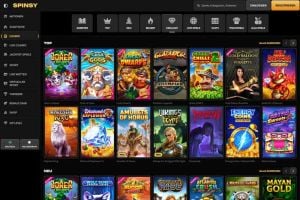
A large browser lobby can encourage browsing without a clear plan. Search, provider and category filters may make it easier to locate slots, jackpots or other games, while demo play can show how a title works without risking money. Demo mode is useful for learning the controls, but it cannot prove that a real-money session will be profitable or that a short sample represents long-term results.
Before switching between games, set a reason for the change. Moving from one title to another because the first has not paid is a form of chasing, not a reliable strategy. A game’s theme, volatility or recent results does not make the next spin “due”. Decide in advance how long you will browse, whether you will play at all and what signal means the session is finished.
Take breaks away from the screen, particularly when playing on a phone. Mobile access can make gambling blend into commuting, late-night scrolling or other routines. Disable gambling notifications if they create pressure, and avoid playing when tired, upset or under the influence of alcohol. If the activity stops feeling like entertainment and starts feeling urgent, postponing play is the safer decision.
Promotions should never replace a spending plan
Welcome packages, reload offers, free spins, cashback, tournaments and rewards can have conditions that affect how money may be used or withdrawn. The available Canadian information notes that promotional terms can change and that some detailed requirements should be checked in the account’s bonus area before activation. Read the current terms rather than relying on an older description or a headline amount.
Pay close attention to wagering requirements, expiry periods, qualifying games, minimum deposits and whether a bonus must be activated. Free-spin winnings or cashback may have separate conditions. A promotion that encourages extra deposits is not a saving. If the offer requires more play than your budget allows, declining it is a responsible choice.
For impartial background on gambling-related harm and support, consult Canada’s problem gambling information from the Centre for Addiction and Mental Health. External information can help you recognize warning signs without treating a casino’s promotional material as advice. Never count bonus funds, reward coins or VIP benefits as income, and never gamble to unlock a status level.
Recognize when self-exclusion is the right step
Self-exclusion is more appropriate than a minor adjustment when gambling is becoming difficult to control. Warning signs can include returning immediately after deciding to stop, increasing stakes to recover losses, concealing deposits, missing work or obligations, feeling restless without access, or repeatedly promising yourself that the next session will be different.
If these signs appear, request self-exclusion through support and state the length or scope you need. Because the available account information does not confirm a universal set of automated limits, ask what restriction will be applied, when it begins and what happens to any pending account matters. Do not keep depositing while waiting for a reply.
Tell a trusted person what you are doing and ask for practical help, such as reviewing finances or holding access to spare funds. Consider contacting a provincial gambling-support service or health professional if gambling has affected sleep, relationships, work or debt. A restriction is not a failure; it is a boundary that protects decisions when willpower is under pressure.
Questions Canadian players often ask
Are self-exclusion and a marketing opt-out the same?
No. A marketing opt-out reduces promotional communications, while self-exclusion is intended to restrict gambling access. Ask support for the specific measure you need and confirm its duration. If gambling feels difficult to control, stopping access is more relevant than simply removing emails or promotional notifications.
Can demo play show whether a slot is worth playing?
Demo play can explain controls, paylines and bonus features without real-money risk. It cannot establish future results, prove profitability or reliably demonstrate volatility from a short sample. Use it only for familiarization, then decide independently whether the activity fits your budget and time limits.
What should I do after chasing a loss?
Stop the session and do not make another deposit to recover the money. Record what happened, remove easy payment access and tell someone you trust. If the pattern has happened more than once, request self-exclusion and seek professional gambling support rather than relying on a new personal promise.